

Fashion is responsible for nearly 10% of global carbon emissions, yet many young adults struggle to identify truly ethical clothing amid confusing labels and marketing hype. You want stylish, affordable pieces that align with your values, but greenwashing and myths about cost make it hard to shop confidently. This guide cuts through the noise to explain what ethical clothing actually means, how to verify claims, and where to find affordable options that don’t compromise on style or ethics.
Table of Contents
- Defining Ethical Clothing: Core Principles
- Environmental Impact Of Ethical Clothing
- Labor Practices And Certifications
- Common Misconceptions About Ethical Clothing
- Material Sourcing And Sustainable Fabrics
- Certification And Trust Indicators
- Supply Chain Transparency And Accountability
- Affordable Ethical Clothing For Casual Wear
- Discover Stylish Ethical Denim With Lot27
- Frequently Asked Questions
Key takeaways
| Point | Details |
|---|---|
| Ethical clothing balances three pillars | Environmental sustainability, fair labor practices, and supply chain transparency define truly ethical apparel. |
| Certifications verify genuine claims | Look for GOTS, Fair Trade, and OEKO-TEX labels to confirm brands meet strict ethical standards. |
| Common myths inflate cost perceptions | Durable ethical clothing often costs less over time and many affordable options exist for casual wear. |
| Sustainable materials reduce impact | Organic cotton and recycled fabrics save water, energy, and reduce pollution compared to conventional materials. |
| Transparency empowers informed choices | Brands sharing supply chain details allow you to verify labor conditions and environmental practices. |
Defining ethical clothing: core principles
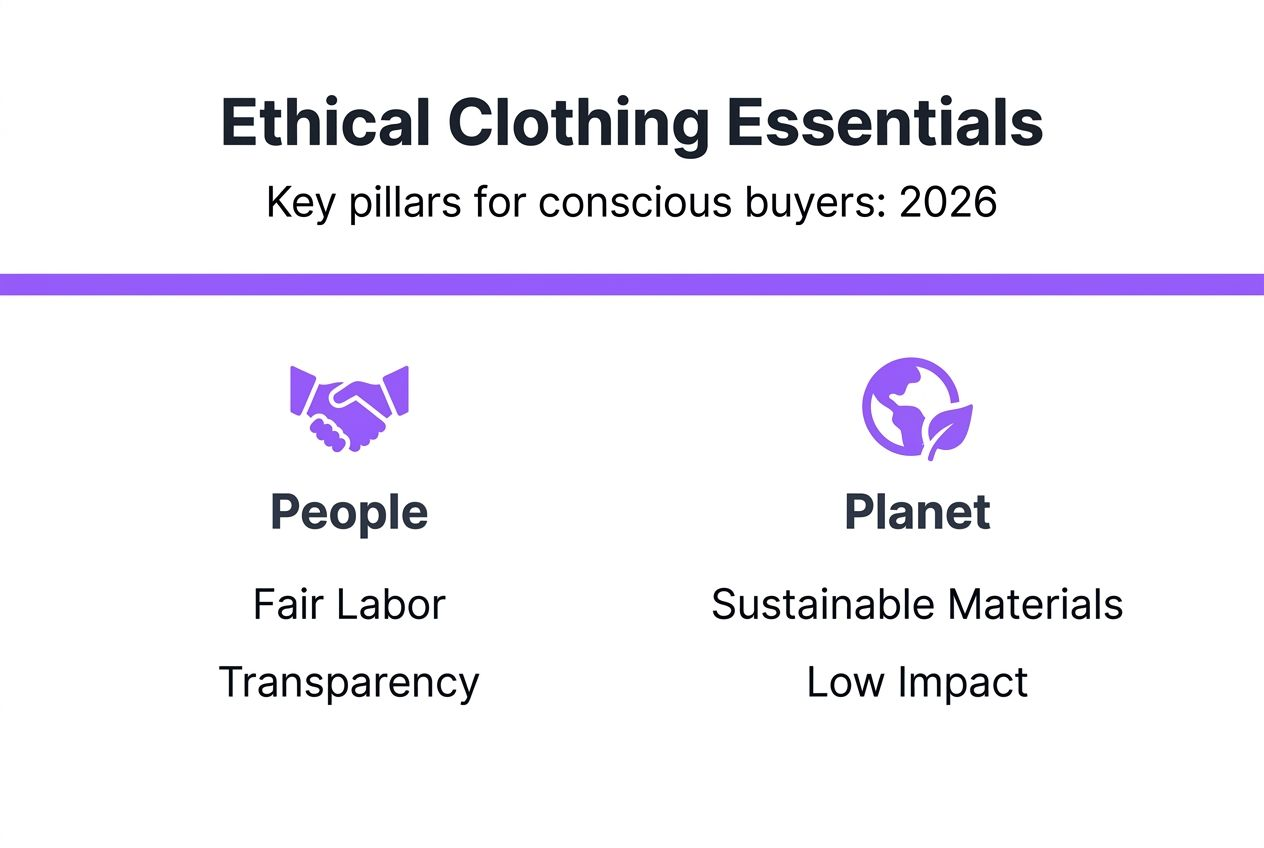
Ethical clothing is a triad framework involving environmental sustainability, fair labor, and supply chain transparency. Understanding these three pillars helps you cut through marketing claims and identify genuinely responsible brands. Each pillar addresses a different dimension of harm in the fashion industry, from pollution to worker exploitation.
Environmental sustainability focuses on reducing the ecological footprint of clothing production. This includes minimizing water use, lowering carbon emissions, choosing renewable or recycled materials, and reducing toxic chemical runoff. Brands committed to this pillar track their resource consumption and actively work to decrease environmental damage at every production stage.
Fair labor practices ensure the people making your clothes work in safe conditions and earn living wages. This pillar addresses the social justice side of fashion, tackling issues like forced labor, unsafe factories, and poverty wages. Ethical brands maintain direct relationships with factories, conduct regular audits, and guarantee workers receive fair compensation and dignified treatment.
Supply chain transparency gives you visibility into where and how clothing is made. Brands practicing transparency disclose factory locations, share audit results, and explain their sourcing decisions. This openness creates accountability and lets you verify that environmental and labor claims match reality. When these three pillars work together, they create a comprehensive ethical framework that addresses both planet and people.
Understanding why sustainable fashion matters helps you see how your purchases impact global systems. Each pillar reinforces the others, building a holistic approach to responsible consumption.
Core pillars of ethical clothing:
- Environmental sustainability through reduced resource use and pollution
- Fair labor with living wages and safe working conditions
- Supply chain transparency for consumer verification and accountability
Environmental impact of ethical clothing
The fashion industry contributes approximately 10% of global carbon emissions, making it one of the most polluting sectors worldwide. Water consumption in conventional cotton farming alone depletes rivers and aquifers, while toxic dyes contaminate waterways near manufacturing centers. Ethical clothing tackles these problems head on by prioritizing sustainable materials and production methods.
Organic cotton saves roughly 91% of water compared to conventional cotton and eliminates harmful pesticides from soil and water systems. Recycled polyester reduces petroleum dependence and keeps plastic bottles out of landfills, cutting energy use by up to 59% compared to virgin polyester production. These material choices make a measurable difference in reducing fashion’s environmental footprint.
Durability extends garment life, which dramatically reduces waste and resource consumption. A well-made ethical piece that lasts five years replaces multiple fast fashion items that wear out in months. This longevity means fewer items produced, less energy consumed, and reduced landfill waste. Ethical brands engineer clothing for extended wear, using quality construction and timeless designs that resist trends.
Learning what is sustainable apparel reveals how material choices directly impact environmental outcomes. When you choose clothing made from organic or recycled materials, you support farming and manufacturing practices that restore rather than deplete natural systems.
Environmental benefits of ethical materials:
- Organic cotton eliminates pesticide runoff and saves 91% water compared to conventional cotton
- Recycled polyester reduces petroleum use by 59% and diverts plastic from landfills
- Durable construction extends garment lifespan, reducing replacement frequency and waste
- Low-impact dyes minimize water pollution in manufacturing regions
Impact snapshot: Switching just one cotton t-shirt from conventional to organic saves enough water to meet one person’s drinking needs for over two years.
Labor practices and certifications
Fair labor means workers receive living wages that cover basic needs, work in safe facilities free from hazards, and enjoy reasonable hours without exploitation. These standards matter because conventional fashion often relies on poverty wages and dangerous conditions to keep prices low. Ethical brands commit to dignified treatment and fair compensation across their entire supply chain.
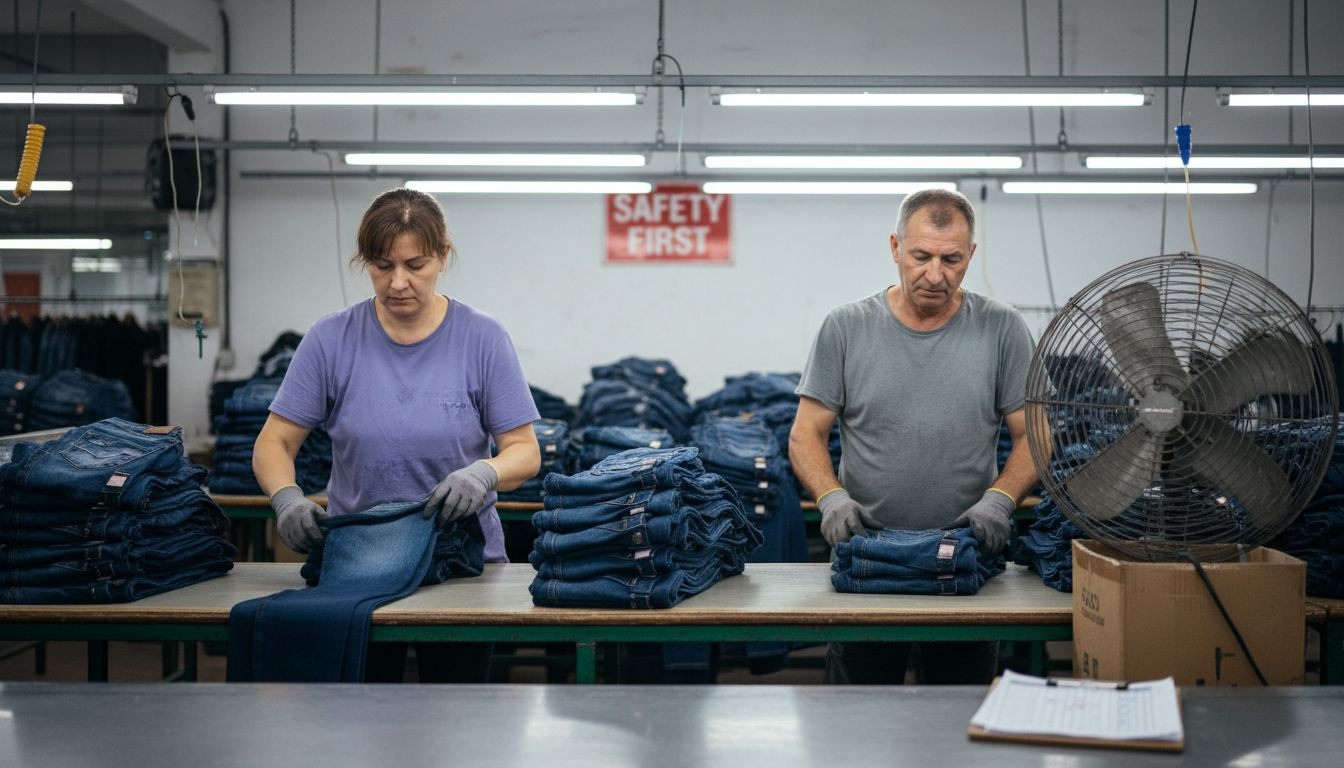
Certifications like GOTS and Fair Trade have strict criteria and auditing processes that ensure genuine worker protections. Global Organic Textile Standard covers both environmental and social criteria, requiring safe working conditions and prohibiting forced labor. Fair Trade certification guarantees fair wages, community investment, and democratic organization for workers.
OEKO-TEX focuses on chemical safety, ensuring fabrics are free from harmful substances that could affect workers or consumers. SA8000 certification specifically addresses labor conditions, covering working hours, health and safety, and freedom of association. These independent audits provide third-party verification that brands follow through on ethical promises.
You can find certification labels on clothing tags, typically near care instructions or fabric content information. Check brand websites for detailed certification information and audit reports. Understanding sustainable apparel certification helps you distinguish genuine verification from vague marketing claims.
Key certifications to look for:
- GOTS (Global Organic Textile Standard) for organic materials plus fair labor
- Fair Trade Certified for living wages and community investment
- OEKO-TEX for chemical safety in fabrics and dyes
- SA8000 for comprehensive labor rights and workplace safety
- B Corp certification for overall social and environmental responsibility
Common misconceptions about ethical clothing
A surprising 65% of consumers conflate sustainable and ethical fashion, causing confusion about what different terms actually mean. Sustainable focuses primarily on environmental impact, while ethical encompasses both environmental issues and social justice concerns like fair labor. Both matter, but ethical clothing addresses a broader range of responsibilities.
Many assume ethical clothing always costs more, but this myth ignores total cost of ownership. A $60 ethical shirt that lasts five years costs less per wear than three $25 fast fashion shirts that fall apart in a year. Ethical brands often use transparent pricing that eliminates retailer markups, making quality accessible. Durability and honest pricing frequently make ethical options the economical choice.
Greenwashing uses vague terms like “eco-friendly” or “conscious” without specific certifications or measurable commitments. Brands exploit consumer desire for sustainability with misleading marketing that lacks substance. Look for specific certifications, disclosed supply chains, and quantified impact reductions rather than feel-good language. Real ethical commitment comes with transparency and third-party verification.
Understanding the difference between ethical vs sustainable fashion prevents you from falling for incomplete claims. Both dimensions matter for truly responsible clothing choices.
Myths debunked:
- Myth: Ethical and sustainable mean the same thing. Reality: Sustainable focuses on environment while ethical adds fair labor and transparency.
- Myth: Ethical clothing is always expensive and boring. Reality: Durable pieces cost less long-term and many ethical brands offer trendy, affordable casual wear.
- Myth: All “eco-friendly” labels are trustworthy. Reality: Greenwashing is common; look for specific certifications like GOTS or Fair Trade instead of vague claims.
- Myth: Small purchases don’t make a difference. Reality: Consumer demand drives industry change, and each ethical purchase supports better practices.
Material sourcing and sustainable fabrics
Organic cotton grows without synthetic pesticides or fertilizers, protecting soil health and farmer safety while using significantly less water. Recycled polyester transforms plastic bottles into durable fabric, preventing waste and reducing petroleum extraction. Innovative materials like Tencel use wood pulp from sustainably managed forests in a closed-loop process that recycles water and solvents.
These sustainable fabrics deliver environmental savings throughout their lifecycle. Organic cotton avoids chemical runoff that contaminates drinking water in farming communities. Recycled materials cut manufacturing energy use by more than half compared to virgin production. Low-impact dyes reduce water pollution and eliminate heavy metals from wastewater.
Durability matters as much as material choice because longer-lasting garments reduce total resource consumption. Quality construction with reinforced seams, durable hardware, and fade-resistant fabrics extends wear life. When clothing lasts years instead of months, you buy less overall and reduce the cumulative environmental impact of your wardrobe.
Exploring durable sustainable fabrics shows how material quality directly affects garment longevity. Heavyweight denim and tightly woven organic cotton resist wear better than thin, cheaply produced alternatives.
Sustainable material benefits:
- Organic cotton saves water and eliminates pesticide contamination
- Recycled polyester reduces plastic waste and petroleum dependence
- Tencel offers biodegradable, renewable fibers with closed-loop production
- Hemp requires minimal water and naturally resists pests without chemicals
Pro Tip: Prioritize versatile pieces in durable fabrics that work across multiple outfits. A quality organic cotton tee or recycled denim jacket delivers more value and less environmental impact than trendy items that quickly go out of style.
Certification and trust indicators
Certifications provide independent verification that brands meet specific ethical standards. GOTS requires at least 70% organic fibers plus strict environmental and labor criteria throughout production. Fair Trade guarantees workers receive fair wages and community development funds. OEKO-TEX Standard 100 ensures fabrics contain no harmful chemicals that could affect health.
Each certification covers different aspects with varying rigor. GOTS offers comprehensive coverage from farm to finished product, while OEKO-TEX focuses specifically on chemical safety. B Corp certification evaluates overall company impact including governance and community engagement. Understanding scope helps you prioritize certifications that match your values.
Look for certification labels on hang tags or sewn into garment seams near care labels. Brand websites should display certification logos with links to verify authenticity through certifying organizations. Combining certifications like GOTS and Fair Trade provides reliable trust indicators that standards are met.
| Certification | Primary Focus | Key Standards | Verification |
|---|---|---|---|
| GOTS | Organic textiles + fair labor | 70%+ organic fibers, safe conditions, no forced labor | Annual inspections, trace to farm |
| Fair Trade | Worker wages and rights | Living wages, democratic organization, community investment | Regular audits, worker interviews |
| OEKO-TEX | Chemical safety | No harmful substances in fabrics or dyes | Lab testing of materials |
| B Corp | Overall company impact | Environmental, social, governance standards | Rigorous assessment every 3 years |
Pro Tip: Don’t rely on a single certification alone. Look for brands that combine multiple certifications with transparent supply chain information for the strongest assurance of genuine ethical practices.
Supply chain transparency and accountability
Supply chain transparency means brands openly share where materials come from, which factories produce garments, and how workers are treated throughout production. This visibility allows consumers and watchdog organizations to verify ethical claims and hold brands accountable. Without transparency, ethical promises remain unverifiable marketing statements.
Brands implement transparency through digital tools like supplier maps, factory disclosure lists, and blockchain tracking systems. Some publish detailed audit reports showing compliance with labor and environmental standards. These platforms let you trace a garment from raw material to finished product, confirming that ethical standards apply at every step.
Transparent supply chains benefit you by enabling informed purchasing decisions based on verified information rather than marketing claims. You can check if factories meet safety standards, whether workers earn fair wages, and how environmental commitments translate into actual practices. This information empowers you to support brands genuinely committed to ethical production.
Transparency tools and benefits:
- Supplier maps showing factory locations and working conditions
- Published audit reports detailing compliance with ethical standards
- Blockchain tracking for material and production verification
- Direct supplier relationships reducing hidden intermediaries
- Regular stakeholder reporting on progress and challenges
Transparency creates market pressure for improvement as brands compete on openness rather than hiding practices. When companies share detailed information, they commit publicly to standards they must maintain to preserve trust and reputation.
Affordable ethical clothing for casual wear
Young adults can find stylish, ethical casual wear without breaking budgets by focusing on versatile, durable pieces that work across multiple outfits. Classic styles in quality materials resist trends and last years, reducing per-wear cost. Look for brands offering transparent pricing that eliminates retailer markups, making ethical production accessible.
Prioritize timeless essentials like organic cotton tees, recycled denim, and durable hoodies that form wardrobe foundations. These pieces deliver maximum versatility while meeting ethical standards. Many ethical brands price competitively by selling directly to consumers and choosing sustainable materials that prove more economical long-term through extended wear life.
Explore options for finding affordable ethical fashion that balances price, quality, and values. Consider ethical streetwear trends 2026 for on-trend casual pieces that meet sustainability standards. Check out opportunities for affordable ethical apparel deals to maximize value.
Building an affordable ethical casual wardrobe:
- Start with versatile basics in neutral colors that mix easily
- Choose durable materials like heavyweight organic cotton and quality denim
- Buy fewer, better pieces rather than volume fast fashion
- Look for direct-to-consumer brands eliminating retail markups
- Verify certifications to ensure genuine ethical practices
| Price Range | Ethical Features | Style Appeal | Best For |
|---|---|---|---|
| $30-50 | Organic cotton, Fair Trade certified | Classic tees, casual basics | Everyday essentials, layering |
| $50-80 | Recycled materials, transparent supply chain | Hoodies, casual button-ups | Versatile staples, weekend wear |
| $80-120 | GOTS certified, durable construction | Premium denim, structured jackets | Investment pieces, signature items |
Pro Tip: Calculate cost per wear rather than just upfront price. A $90 ethical jean worn 200 times over three years costs $0.45 per wear, while a $40 fast fashion jean lasting 50 wears costs $0.80 per wear. Quality wins financially and ethically.
Discover stylish ethical denim with Lot27
You’ve learned what makes clothing truly ethical and how to find affordable options that match your values. Now it’s time to put that knowledge into action with denim that delivers on style, durability, and responsible production.
Lot27 offers carefully crafted denim using quality materials and ethical manufacturing processes that align with conscious consumer values. Our mens heavyweight vintage wash denim jeans combine durability with classic style, while mens baggy vintage wash denim jeans deliver on-trend silhouettes without compromising quality. The vintage wash heavyweight denim jeans provide timeless appeal in construction built to last. Each piece represents the intersection of ethical production, affordability, and modern casual style you’ve been searching for.
Frequently asked questions
What is the difference between ethical and sustainable clothing?
Ethical clothing addresses both environmental impact and social justice, including fair labor practices and supply chain transparency. Sustainable clothing focuses primarily on environmental aspects like reducing pollution and resource use. Both aim to minimize harm, but ethical standards add worker rights and transparency requirements that sustainable alone may not cover.
How can I verify if a clothing brand is truly ethical?
Check for recognized certifications like GOTS, Fair Trade, or B Corp displayed on product tags and brand websites. Review whether brands openly share supply chain information including factory locations and audit results. Genuine ethical commitment includes third-party verification and transparent reporting, not just vague marketing language.
Is ethical clothing more expensive than conventional fashion?
Ethical clothing often costs less over time because quality construction ensures longer wear life and fewer replacements. Transparent supply chains eliminate hidden markups that inflate conventional fashion prices. While initial cost may be slightly higher, durability and honest pricing make ethical options economically competitive and often more affordable long-term.
What are the most sustainable fabrics for casual clothing?
Organic cotton, recycled polyester, Tencel, and hemp rank among the most sustainable options for casual wear. These materials save water, reduce pollution, and often come from renewable or recycled sources. Look for certifications confirming organic or recycled content to ensure genuine sustainability rather than greenwashed claims.
Recommended
- Sustainable Apparel: Why It Matters in 2026 – Lot27
- Fashion trends adoption guide 2026: 36% market growth – Lot27
- Why Sustainable Fashion Matters for Young Adults – Lot27
- Role of streetwear in 2026: 68% of Gen Z seek style – Lot27
- Ethical Apparel: Why It Matters for Conscious Shoppers – Smoked Times
- Ethical Fashion Explained: The Impact on Streetwear – MEXESS