

Denim is more than just a staple in your closet. It has evolved from rugged workwear for California gold miners into a global symbol of rebellion and self-expression, seen on everyone from Western cowboys to Hollywood stars. Today, denim embodies freedom and versatility, offering endless styles for modern life. Discover how its remarkable journey shapes your favorite affordable looks, helping you find the perfect fit for both current trends and effortless casual style.
Table of Contents
- Defining Denim And Its Cultural Legacy
- Popular Denim Styles And Fabric Innovations
- Key Characteristics Of Denim In Fashion
- Denim’s Global Influence On Modern Trends
- Risks And Misconceptions When Buying Denim
- Comparing Denim With Other Fashion Fabrics
Key Takeaways
| Point | Details |
|---|---|
| Cultural Significance | Denim has evolved from functional workwear to a global fashion symbol representing freedom and individuality. |
| Innovative Fabrics | Modern denim styles incorporate performance-driven features, such as moisture-wicking and eco-friendly materials. |
| Global Appeal | Denim transcends cultural boundaries and serves as a universal language of style, adaptable across age groups and socioeconomic classes. |
| Consumer Awareness | Buyers should be mindful of sizing inconsistencies and prioritize comfort, quality, and sustainability when shopping for denim. |
Defining Denim And Its Cultural Legacy
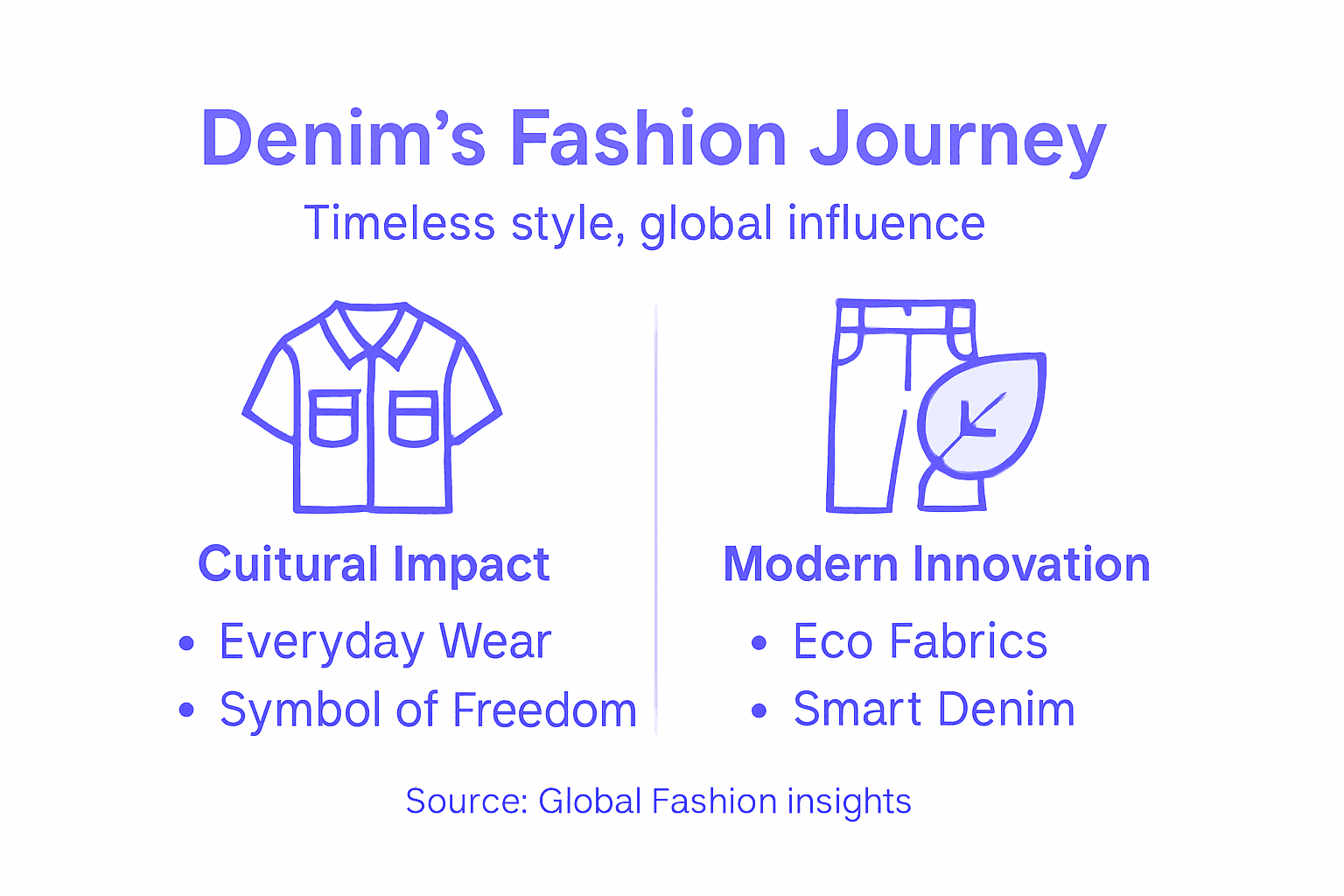
Denim represents far more than just clothing - it’s a global cultural phenomenon that has transcended generations and social boundaries. Its cultural transformation reveals a remarkable journey from functional workwear to a universal fashion symbol embodying freedom, rebellion, and individual expression.
Originating in the mid-19th century, denim’s roots trace back to practical workwear designed for durability. Initially created for California gold miners and sailors, these indigo-dyed cotton pants were engineered to withstand intense physical labor. Key historical milestones include:
- 1850s: Initial development as reinforced work pants
- 1870s: Adoption by Western cowboys as rugged attire
- 1950s: Emergence as a symbol of youth rebellion through Hollywood icons
- 1960s-1970s: Integration with counterculture movements
Beyond its practical origins, denim quickly evolved into a powerful cultural statement. Cultural symbols of freedom and wildness emerged through its association with diverse social movements. Hollywood movies, rock musicians, and youth subcultures transformed denim from simple workwear into a global fashion staple representing authenticity and individual identity.
The fabric’s versatility allowed it to transcend social classes, becoming a democratizing garment worn by everyone from manual laborers to Hollywood celebrities. Its ability to communicate complex social narratives while remaining incredibly functional made denim a unique textile phenomenon.
Pro tip: Choose denim pieces that reflect your personal style while appreciating the rich cultural heritage woven into every thread.
Popular Denim Styles And Fabric Innovations
Denim has dramatically evolved from its utilitarian roots, with modern fabric innovations transforming the textile into a sophisticated, performance-driven material. Sustainable fabric technologies are revolutionizing how denim is produced, designed, and experienced by consumers worldwide.
Contemporary denim styles encompass a wide range of innovative types that cater to diverse consumer needs:
- Stretch Denim: Incorporates spandex for enhanced flexibility
- Performance Denim: Features moisture-wicking and UV protection
- Recycled Denim: Made from post-consumer materials
- Eco-Friendly Denim: Utilizes sustainable manufacturing processes
Manufacturers are increasingly focusing on advanced denim fabric developments that balance style, comfort, and environmental responsibility. Advanced techniques like enzymatic desizing, ozone fading, and waterless production methods are becoming standard in the industry, reducing water consumption and chemical usage.
The emergence of high-performance denim represents a significant shift in textile engineering. These innovative fabrics offer enhanced durability, comfort, and functionality while maintaining the classic aesthetic that has made denim a global fashion staple. From quick-drying technologies to odor-resistant treatments, modern denim is a far cry from its original rugged workwear origins.
Here’s how denim innovation compares to traditional fabric approaches:
| Fabric Type | Typical Use Cases | Key Advantage | Eco-Friendly Potential |
|---|---|---|---|
| Traditional Denim | Casual workwear, jeans | High durability | Low, due to water use |
| Stretch Denim | Skinny, athletic styles | Enhanced flexibility | Moderate, if sustainably made |
| Performance Denim | Outdoor, active wear | Moisture and UV resistance | High, with new processes |
| Recycled Denim | Trendy eco fashion | Reduced environmental impact | High, uses post-consumer waste |
Pro tip: When shopping for denim, look beyond style and prioritize fabrics that offer both performance features and sustainable manufacturing practices.
Key Characteristics Of Denim In Fashion
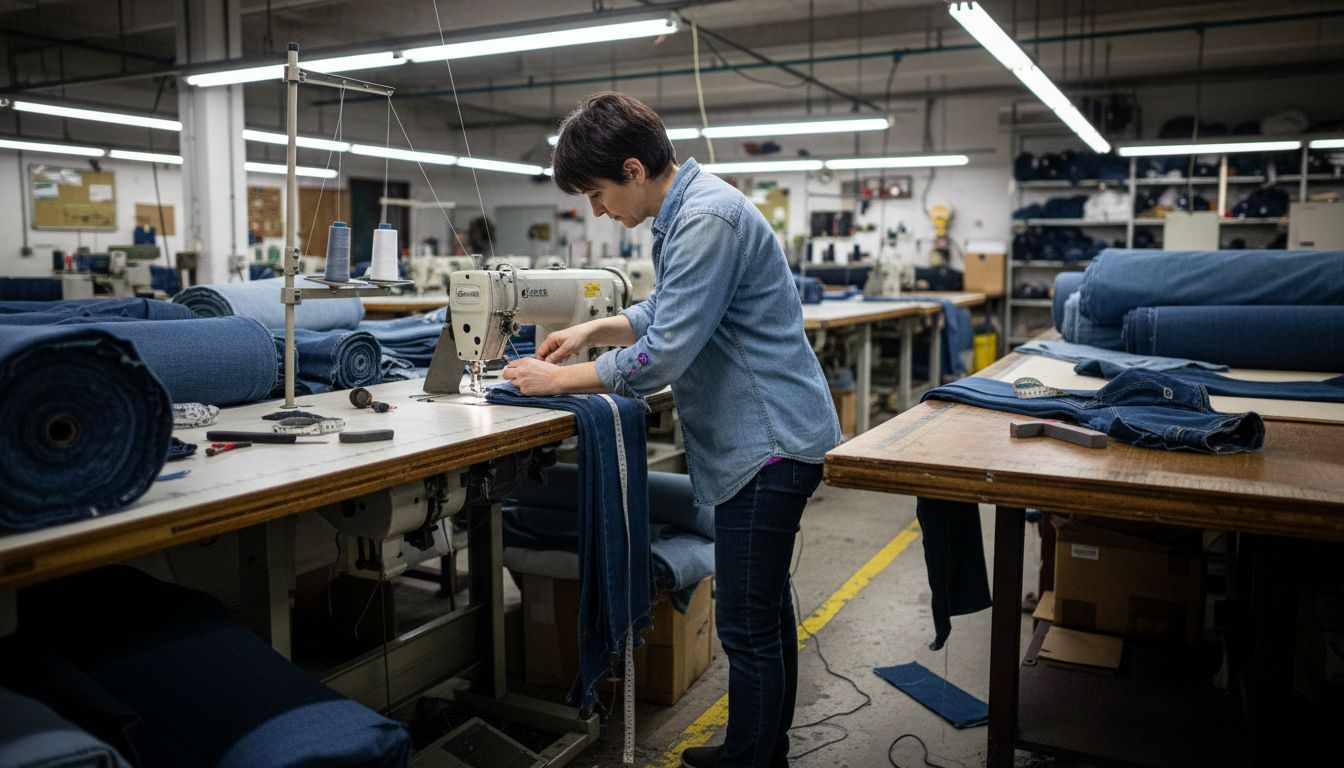
Denim’s enduring popularity stems from its remarkable fabric construction and performance characteristics. The distinctive twill weave, characterized by diagonal ribbing, sets denim apart from other textiles, creating a unique texture and visual appeal that has captivated fashion enthusiasts for generations.
Key characteristics of denim fabric include:
- Weave Structure: Diagonal twill weave creating signature texture
- Durability: Exceptional strength and resistance to wear
- Versatility: Adaptable to multiple style and functional requirements
- Fabric Weight: Ranges from lightweight to heavy-duty options
- Fiber Composition: Typically cotton-based with modern performance blends
Denim fabric classifications reveal a complex world of textile innovation. Different types of denim cater to specific aesthetic and functional needs, including:
- Right-hand twill with strong abrasion resistance
- Dobby denim featuring geometric textural patterns
- Slub denim highlighting intentional yarn irregularities
- Stretch denim incorporating elastane for enhanced comfort
Modern denim technologies have significantly expanded the fabric’s capabilities. Advanced treatments like antimicrobial finishes, phase change materials, and moisture-management technologies transform denim from a simple clothing material into a high-performance textile that adapts to wearer’s needs and environmental conditions.
Pro tip: Examine denim fabrics closely by checking weight, stretch, and finish to determine its true quality and performance potential.
Denim’s Global Influence On Modern Trends
Global denim’s universal appeal transcends cultural boundaries, creating a unique fashion phenomenon that connects people worldwide. Denim has emerged as a true global language of style, simultaneously representing both individual expression and collective identity across diverse societies.
Key aspects of denim’s global cultural impact include:
- Universal wearability across age groups
- Adaptability to different cultural contexts
- Ability to communicate personal style
- Representation of socioeconomic diversity
- Symbol of democratic fashion
The remarkable journey of denim from workwear to global fashion staple reveals its extraordinary capacity for cultural transformation. What began as rugged clothing for miners and laborers has evolved into a sophisticated garment worn from New York street corners to Tokyo fashion districts, symbolizing a democratic approach to personal style.
Denim’s global influence extends beyond mere clothing, functioning as a complex cultural artifact that reflects social dynamics, individual creativity, and collective identity. Its ability to be simultaneously traditional and innovative allows it to maintain relevance across generations and geographical boundaries, making it a truly unique textile in the global fashion ecosystem.
Pro tip: Explore how different cultures style denim to understand its remarkable versatility and global significance.
Risks And Misconceptions When Buying Denim
Consumer quality concerns represent a critical aspect of denim purchasing that many shoppers overlook. Understanding these potential pitfalls can help consumers make more informed decisions and avoid disappointment with their denim investments.
Common risks and misconceptions in denim purchasing include:
- Sizing Inconsistencies: Varying measurements across brands
- Fabric Durability: Perceived vs. actual wear performance
- Color Fading: Unexpected changes in fabric appearance
- Comfort Misconceptions: Presumed versus actual wearing experience
- Price-Quality Correlation: Assuming higher cost means better quality
Perceived risks in sustainable denim often create additional barriers for environmentally conscious consumers. These concerns typically involve:
- Doubts about recycled fabric durability
- Psychological resistance to recycled materials
- Fear of social judgment for choosing sustainable options
- Uncertainty about product performance
- Lack of transparency in manufacturing processes
Navigating these risks requires careful consideration and research. Consumers should look beyond brand reputation, examine fabric composition, understand return policies, and prioritize personal comfort and long-term wearability over temporary trends or superficial appearances.
Pro tip: Always try on denim in-store and perform a range of movement tests to assess true fit and comfort before purchasing.
Comparing Denim With Other Fashion Fabrics
Denim fabric production distinguishes itself through unique characteristics that set it apart from other fashion textiles. Unlike lightweight fabrics, denim offers a distinctive combination of durability, structure, and versatility that makes it a standout choice in clothing manufacturing.
Key comparative characteristics of denim include:
- Weave Structure: Unique diagonal twill pattern
- Weight: Heavier than most fashion fabrics
- Durability: Superior strength compared to standard textiles
- Versatility: Adaptable to multiple clothing styles
- Performance: Improving with technological innovations
Comparative textile research reveals several critical differences between denim and other fabric types:
- Cotton Fabrics: Less structural integrity
- Knit Fabrics: More stretch, less durability
- Synthetic Blends: Different thermal properties
- Lightweight Materials: Reduced wear resistance
- Performance Textiles: Varying comfort levels
The evolution of denim continues to challenge traditional fabric limitations. Modern manufacturing techniques are introducing sustainable fibers, advanced finishing methods, and innovative blends that enhance denim’s natural properties while addressing environmental concerns and performance expectations.
This quick reference compares denim with common apparel fabrics:
| Fabric | Strength | Breathability | Style Versatility |
|---|---|---|---|
| Denim | Very strong | Moderate | Wide range |
| Cotton Poplin | Moderate | High | Limited |
| Knit Jersey | Low | High | Casual, stretchy |
| Synthetic Blends | Variable | Low to moderate | Often performance |
Pro tip: Evaluate fabric performance beyond visual appearance by testing stretch, breathability, and durability before making your final selection.
Elevate Your Style With Authentic Streetwear Denim Jeans
Denim is more than just fabric. It tells a story of culture, individuality, and innovation. If you are looking to blend timeless denim’s durability and versatile style with modern fashion trends, our Streetwear Denim Jeans – Lot27 collection offers precisely that. From classic fits to innovative blends, these jeans reflect the unique fabric qualities and cultural legacy discussed in the article.
Discover how premium denim can transform your wardrobe today. Shop the latest styles and elevate your personal expression with apparel crafted for both comfort and statement-making looks. Don’t miss out on exploring our full range of Latest Trending Clothing In Lot27 for more options that complement your denim favorites. Visit Lot27 now to experience fashion that combines heritage with contemporary performance.
Frequently Asked Questions
What are the origins of denim as a fabric?
Denim originated in the mid-19th century as durable workwear for gold miners and sailors. It was designed for functionality and long-lasting use, eventually transforming into a fashion staple.
How has denim evolved in modern fashion?
Denim has evolved from its utilitarian roots into a symbol of freedom and individual expression. Today, it includes a variety of styles and innovative fabric technologies, catering to both fashion and performance needs.
What are some innovative features of contemporary denim?
Modern denim includes features like stretch, moisture-wicking, and recycled materials. These innovations improve comfort, durability, and environmental sustainability while retaining the classic denim aesthetic.
How does denim compare to other fashion fabrics in terms of durability?
Denim is generally stronger and more durable than many other fashion fabrics, such as cotton poplin and knit jersey. Its unique diagonal twill weave allows it to withstand wear and tear better than lighter textiles.