

Sorting through endless racks to find something that truly stands out can feel nearly impossible when so many trends look the same. For young style seekers who crave real individuality, vintage fashion offers so much more than recycled trends or faded nostalgia. Authentic vintage pieces bring history, character, and genuine originality to your everyday wardrobe. Discover what sets vintage apart from retro and secondhand clothing, and learn how it helps you shape a look that is entirely your own.
Table of Contents
- Vintage Returns Defined And Common Myths
- Cultural Nostalgia And Emotional Appeal
- Sustainability And Eco-Conscious Fashion
- Individuality, Authenticity, And Self-Expression
- How Pop Culture Drives Vintage Revival
- Mistakes To Avoid When Shopping Vintage
Key Takeaways
| Point | Details |
|---|---|
| Understanding Vintage Fashion | Vintage fashion represents authentic garments over 25 years old, reflecting unique cultural and historical significance. |
| The Emotional Connection | Nostalgia plays a key role in vintage fashion, allowing individuals to express personal narratives and reconnect with cultural memories. |
| Sustainability Aspect | Vintage shopping serves as a sustainable alternative to fast fashion, reducing textile waste and minimizing environmental impact. |
| Smart Vintage Shopping | Avoid common pitfalls by verifying authenticity, checking garment condition, and ensuring proper fit to make informed purchases. |
Vintage Returns Defined and Common Myths
Vintage fashion represents far more than just old clothing. Vintage fashion goes beyond simple nostalgia, embodying a sophisticated form of cultural expression and personal style that challenges traditional consumer narratives.
At its core, vintage refers to authentic garments typically over 25 years old that carry unique historical and cultural significance. Unlike reproduction or retro items, genuine vintage pieces represent original artifacts from specific eras, each telling a distinct story about fashion, design, and social context. Marketing research clarifies vintage’s nuanced definition, distinguishing it from mere secondhand clothing or nostalgic reproductions.
Here’s a comparison of vintage, retro, and secondhand clothing to clarify their differences:
| Category | Definition | Typical Age of Garments | Cultural Value |
|---|---|---|---|
| Vintage | Authentic items made at least 25 years ago | Over 25 years | High; reflects era and history |
| Retro | Newly made items mimicking past styles | Newly produced | Moderate; inspired by nostalgia |
| Secondhand | Previously owned clothing, regardless of age | Any age | Low to variable |
Several persistent myths surround vintage fashion that deserve critical examination:
- Myth 1: Vintage means old and worn-out
- Myth 2: Vintage is just cheap secondhand clothing
- Myth 3: Vintage fashion is only for collectors or fashion historians
- Myth 4: Vintage pieces lack modern relevance
In reality, vintage fashion represents a complex intersection of personal identity, cultural commentary, and stylistic innovation. Young fashion enthusiasts increasingly view vintage clothing as a form of self-expression that transcends traditional retail consumption, challenging mass-market fashion’s homogeneity.
Pro tip: When exploring vintage fashion, focus on pieces that resonate with your personal aesthetic and tell a unique story, rather than simply collecting old garments.
Cultural Nostalgia and Emotional Appeal
Nostalgia transforms vintage fashion from mere clothing into a powerful emotional experience. Vintage clothing carries deep cultural narratives, connecting wearers to personal memories, historical moments, and collective identities far beyond contemporary fashion trends.
The psychological allure of vintage fashion goes far deeper than aesthetic appreciation. Nostalgia fuels fashion’s emotional revival, creating a profound connection between personal identity and clothing choices. This emotional resonance allows individuals to:
- Reconnect with family histories
- Express unique personal narratives
- Challenge mainstream fashion norms
- Celebrate individual creativity
- Preserve cultural memories
Vintage clothing serves as a tangible bridge between past and present, allowing young fashion enthusiasts to craft meaningful personal stories through carefully selected garments. Each piece becomes more than fabric—it’s a conversation starter, a statement of individuality, and a way to honor cultural heritage.
Vintage fashion is not about wearing old clothes, but about wearing stories that resonate with your personal journey.
By embracing vintage pieces, consumers engage in a form of cultural storytelling that transcends traditional retail experiences. The emotional investment transforms clothing from a mere commodity into a deeply personal form of self-expression.
Pro tip: When selecting vintage pieces, prioritize items that genuinely spark an emotional connection and reflect your personal narrative, rather than simply chasing trend-driven acquisitions.
Sustainability and Eco-Conscious Fashion
Vintage fashion has emerged as a powerful alternative to fast fashion, offering a sustainable approach to personal style. Generation Z’s consumption patterns reveal critical environmental motivations, challenging traditional retail models and prioritizing ecological responsibility.
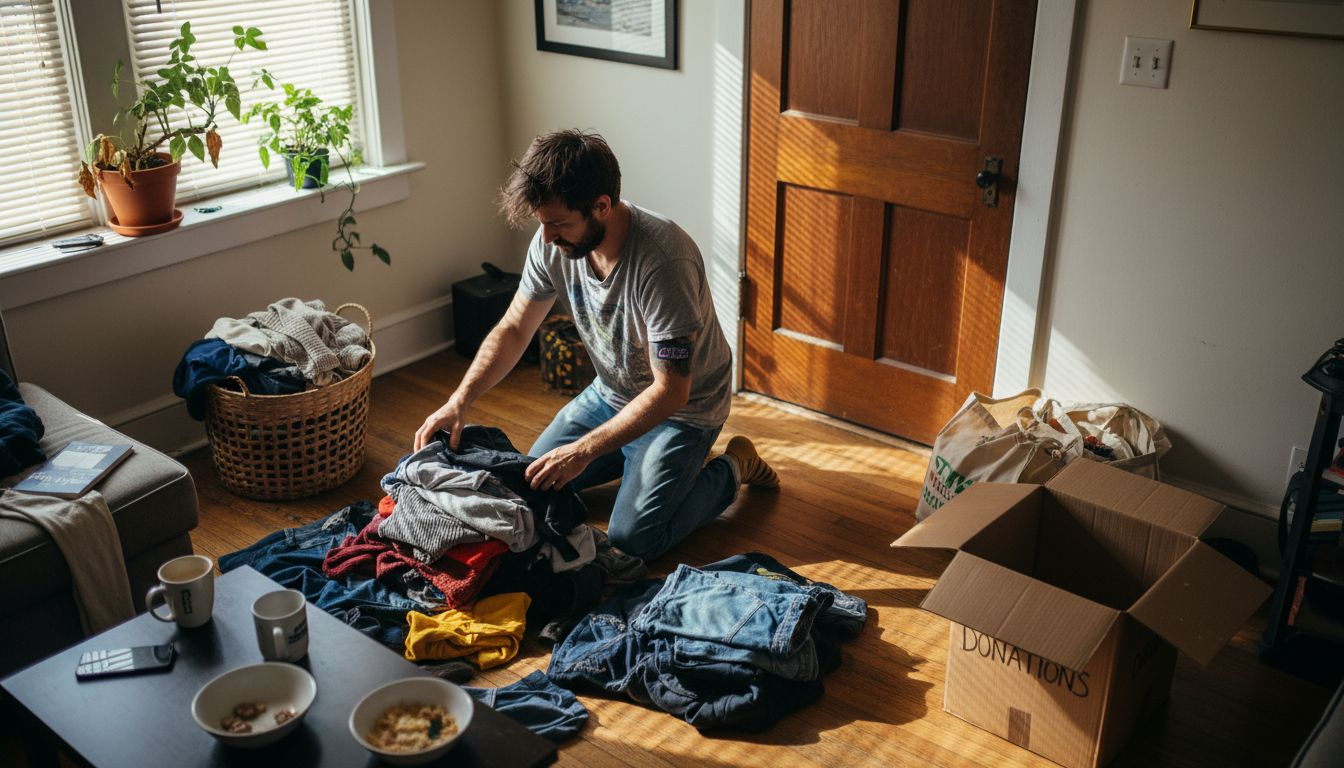
The environmental impact of clothing consumption cannot be overstated. Vintage shopping represents a tangible method of reducing textile waste, with young consumers increasingly recognizing the carbon footprint associated with mass-produced clothing. Sustainable fashion choices go beyond simple environmental concerns, encompassing broader motivations of personal expression and ethical consumption.
Key sustainability benefits of vintage fashion include:
- Reducing textile waste
- Minimizing manufacturing carbon emissions
- Extending clothing lifecycle
- Supporting circular economy principles
- Challenging fast fashion’s disposable culture
Sustainable fashion is not just about what you wear, but about the story behind each garment and its impact on the planet.
Consumers are increasingly viewing vintage clothing as more than a fashion statement—it’s a deliberate choice to engage with responsible consumption. By selecting pre-owned pieces, individuals can craft unique personal styles while simultaneously making environmentally conscious decisions.
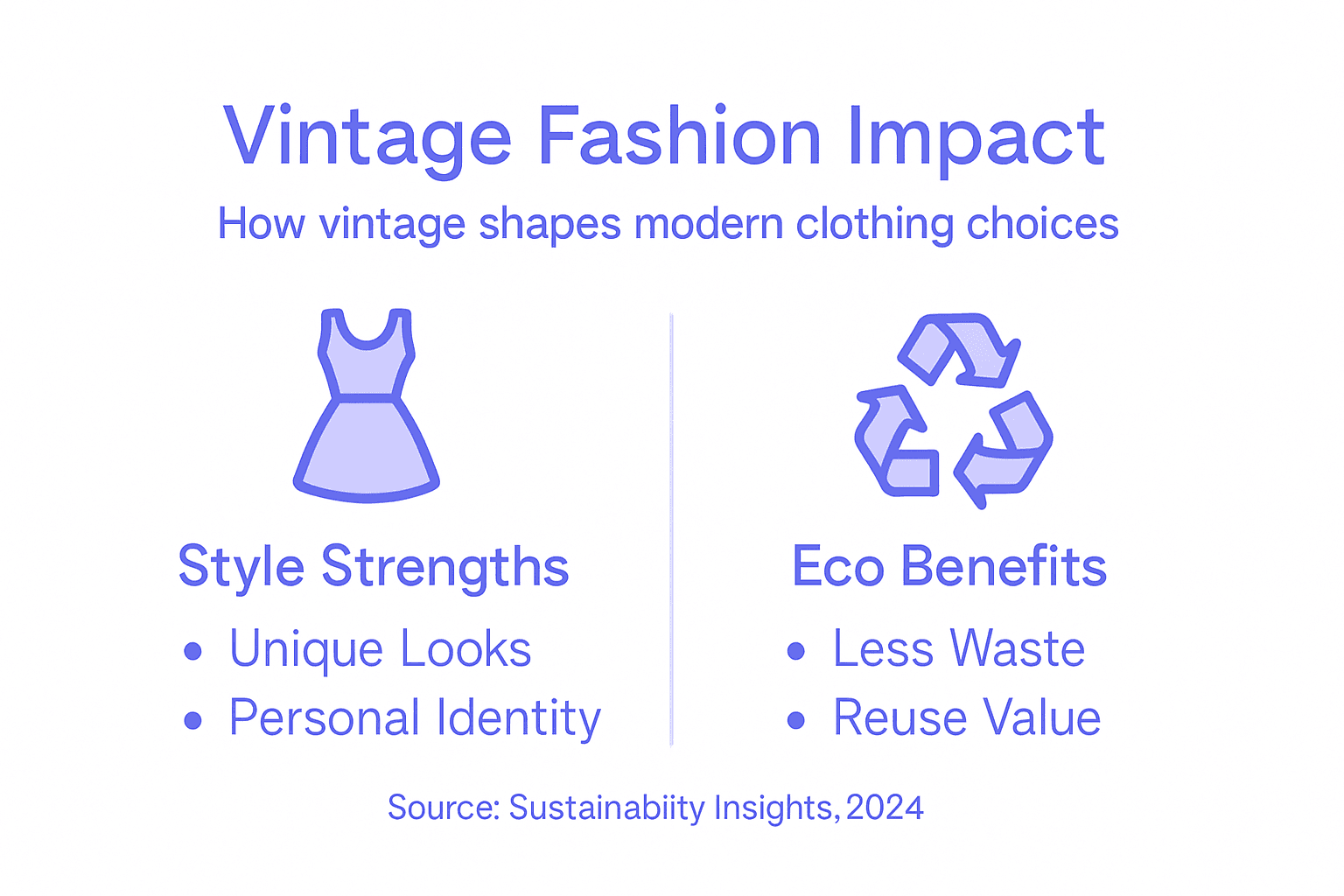
Pro tip: Calculate the potential environmental impact of your wardrobe by tracking the number of vintage pieces you purchase and the estimated carbon savings compared to buying new.
Individuality, Authenticity, and Self-Expression
Fashion transcends mere clothing—it’s a powerful language of personal identity. Individuals utilize fashion as a nuanced form of self-expression, communicating complex narratives about personality, values, and cultural background through carefully curated style choices.
Vintage clothing offers a unique canvas for authentic self-representation, allowing individuals to craft narratives that extend beyond contemporary mass-market fashion. Authenticity in fashion requires critical examination, challenging traditional notions of personal style and encouraging more meaningful wardrobe selections.
Key elements of self-expression through vintage fashion include:
- Rejecting homogeneous fashion trends
- Celebrating individual creative vision
- Telling personal stories through clothing
- Challenging societal fashion expectations
- Creating unique style signatures
True style is not about following trends, but about expressing your most authentic self through what you wear.
Vintage clothing becomes a powerful medium for personal storytelling, allowing wearers to communicate their unique perspectives, cultural influences, and individual journeys without uttering a single word. Each piece serves as a deliberate choice that speaks volumes about personal identity and creative vision.
Pro tip: Develop your personal style by collecting vintage pieces that genuinely resonate with your personality, rather than simply accumulating clothing.
How Pop Culture Drives Vintage Revival
Pop culture has become the primary catalyst for vintage fashion’s remarkable resurgence, transforming nostalgic clothing from forgotten relics into powerful style statements. Digital platforms reshape vintage fashion trends, creating unprecedented avenues for cultural rediscovery and style reinvention.
Social media platforms like Instagram and TikTok have dramatically accelerated vintage fashion’s mainstream appeal. Streetwear’s retro revival demonstrates pop culture’s transformative power, turning niche subculture aesthetics into global fashion movements that transcend traditional marketing channels.
Key mechanisms driving vintage revival through pop culture include:
- Celebrity vintage fashion endorsements
- Music and film nostalgia cycles
- Digital platform trend amplification
- Influencer style narratives
- Generational aesthetic reinterpretation
Vintage fashion is not about recreating the past, but reimagining it for contemporary expression.
The democratization of fashion through digital platforms has transformed vintage clothing from exclusive collector’s items into accessible style choices. Young consumers now curate personal narratives through carefully selected vintage pieces, using pop culture as both inspiration and validation.
Pro tip: Follow diverse vintage fashion influencers across different social media platforms to discover unique styling perspectives and expand your vintage fashion vocabulary.
Mistakes to Avoid When Shopping Vintage
Vintage shopping requires more than casual browsing—it demands strategic approach and careful consideration. Careful examination prevents common vintage shopping pitfalls, ensuring you invest in quality pieces that truly enhance your wardrobe.
Authenticity and condition are paramount when selecting vintage clothing. Online vintage shopping demands meticulous garment evaluation, as sizing, fabric integrity, and hidden imperfections can significantly impact your purchase’s value and wearability.
See common pitfalls and how to avoid them when shopping for vintage clothing:
| Pitfall | Why It Matters | Smart Shopping Practice |
|---|---|---|
| Overlooking authenticity | Risk of buying reproductions | Check labels and garment details |
| Ignoring proper sizing | Vintage sizes often differ from modern | Measure garments and yourself |
| Focusing only on trends | Less likely to find lasting value | Choose what reflects your style |
| Neglecting garment condition | May lead to costly repairs | Inspect for wear and necessary fixes |
Common mistakes vintage shoppers frequently make include:
- Ignoring fabric condition and potential damage
- Misunderstanding vintage sizing standards
- Purchasing solely based on trend appeal
- Neglecting proper garment measurements
- Failing to verify item authenticity
- Overlooking necessary repair or restoration costs
Vintage shopping is an art: every piece tells a story, but not every story is worth wearing.
Successful vintage shopping requires a blend of passion, patience, and practical assessment. Understanding the nuanced differences between authentic vintage pieces and mere secondhand clothing separates discerning collectors from casual shoppers.
Pro tip: Always carry a flexible measuring tape and know your precise body measurements before shopping vintage to ensure a perfect fit.
Embrace Authentic Style with Modern Vintage-Inspired Fashion
Finding your unique voice in fashion means overcoming the challenge of mass-produced trends and embracing individuality. This article highlights how vintage returns matter by connecting style with sustainability, nostalgia, and authenticity. If you want to avoid fleeting trends and instead express personality through clothing, it is essential to explore curated selections that reflect these values.
Discover how you can integrate vintage-inspired pieces into your wardrobe without sacrificing modern comfort or relevance by browsing Latest Trending Clothing In Lot27.
Start building a wardrobe that tells your story today at https://lot27.shop. Shop now to experience fashion that balances timeless style with contemporary innovation. Don’t wait because authentic self-expression and sustainable fashion combine to create opportunities that won’t last forever. Elevate your look with pieces that speak volumes about who you are and what you stand for.
Frequently Asked Questions
What is considered vintage clothing?
Vintage clothing refers to authentic garments that are typically over 25 years old and hold unique historical and cultural significance, distinguishing them from retro or secondhand items.
How does vintage fashion contribute to sustainability?
Vintage fashion offers a sustainable alternative to fast fashion by reducing textile waste, extending the lifecycle of clothing, and minimizing manufacturing carbon emissions through the reuse of pre-owned garments.
How does nostalgia influence the appeal of vintage fashion?
Nostalgia transforms vintage fashion into an emotional experience, allowing wearers to connect with personal memories, historical moments, and collective identities, thus enriching their personal narratives through clothing.
What are common mistakes to avoid when shopping for vintage clothing?
Common mistakes include overlooking authenticity, ignoring proper sizing, focusing only on trends, and neglecting garment condition. It’s essential to verify the item’s authenticity and ensure it aligns with your personal style and fit.
Recommended
- Denim Styles Explained: Fresh Looks for 2026 – Lot27
- Fashion Retail Trends 2026: The Digital Shift – Lot27
- 7 Types of Denim Jeans Every Trendy Shopper Should Know – Lot27
- How to Style Denim Jeans for Effortless Everyday Looks – Lot27
- Vintage Trends vs Modern: Complete Style Guide
- Vintage vs. Retro Fashion – How It Shapes Luxury Style