

Streetwear has evolved beyond casual clothing to become a defining cultural force for American Gen Z and Millennials in 2026. 68% of Gen Z shoppers choose streetwear that expresses their personal style, signaling a shift toward identity-driven fashion that balances affordability, sustainability, and innovation. This guide explores 2026’s key streetwear trends, from maximalist aesthetics to AI-powered personalization, helping you identify and select stylish, affordable apparel that reflects your values and lifestyle.
Table of Contents
- Introduction To Streetwear And Its Cultural Roots
- Key 2026 Streetwear Trends Shaping Fashion
- Sustainability’s Increasing Role In Streetwear
- Technology And Personalization Transforming Streetwear
- Affordable Streetwear Options For Young Adults
- Common Misconceptions About Streetwear Debunked
- Framework For Understanding Modern Streetwear Styles
- Conclusion: Embracing Streetwear For Authentic, Affordable Style
- Explore Affordable, Trendy Streetwear Styles At Lot27
- FAQ
Key takeaways
| Point | Details |
|---|---|
| Cultural expression | Streetwear reflects individuality and urban roots, especially for young U.S. adults seeking authentic identity markers. |
| 2026 style trends | Oversized fits, techwear, maximalist 80s influences, and sustainable materials dominate current streetwear. |
| Affordable options | Mid-market streetwear grows rapidly, debunking myths about exclusivity and offering accessible authentic apparel. |
| Tech integration | AI personalization and resale markets reshape consumer choices, enabling unique style expression. |
| Informed purchasing | Understanding trends and values helps make confident, authentic streetwear selections aligned with lifestyle. |
Introduction to streetwear and its cultural roots
Streetwear expresses individuality, confidence, and urban roots beyond just clothing in the U.S., emerging from youth communities that used fashion as rebellion and self-definition. Born in skate parks, hip-hop scenes, and street corners, this movement transformed everyday apparel into statements of identity.
For American Gen Z and Millennials, streetwear serves as visual language communicating values, affiliations, and personal narratives. It’s not about following trends blindly but curating pieces that tell your story. The American cultural heritage strongly influences 2026 streetwear, adding meaningful storytelling through design elements that honor diverse backgrounds while pushing creative boundaries.
Understanding these origins helps appreciate why streetwear resonates so deeply. Key cultural foundations include:
- Urban youth movements using fashion to claim space and voice in mainstream culture
- Community-driven authenticity valuing creativity over corporate dictates
- Cross-pollination between music, art, sports, and fashion creating hybrid aesthetics
- Democratization of style allowing anyone to participate regardless of economic background
- Ongoing evolution reflecting current social movements and generational priorities
This cultural depth distinguishes streetwear from passing fads. The importance of fashion trends extends beyond aesthetics to encompass identity formation and social connection. When you wear streetwear, you’re joining a conversation that spans decades and continents. For deeper context, explore this 2026 streetwear trends report or learn about American cultural heritage in streetwear.
Key 2026 streetwear trends shaping fashion
Current streetwear aesthetics reflect bold experimentation and functional innovation. Maximalism and bold 80s-inspired styles are major influences driving 2026 streetwear trends, bringing vibrant colors, geometric patterns, and unapologetic visual statements back to everyday wear. This contrasts with minimalist phases, offering freedom to layer textures and mix unexpected combinations.
Oversized silhouettes dominate 2026 collections, prioritizing comfort without sacrificing style. Baggy hoodies, relaxed-fit tees, and wide-leg pants allow movement while creating distinctive proportions. These fits challenge traditional tailoring norms, embracing body diversity and rejecting restrictive clothing standards.
Techwear emerges as a practical fusion of fashion and function. Waterproof fabrics, hidden pockets, modular attachments, and adaptive materials cater to urban lifestyles demanding versatility. Think jackets that convert to vests or pants with removable cargo sections. This trend recognizes that style should enhance daily life, not complicate it.
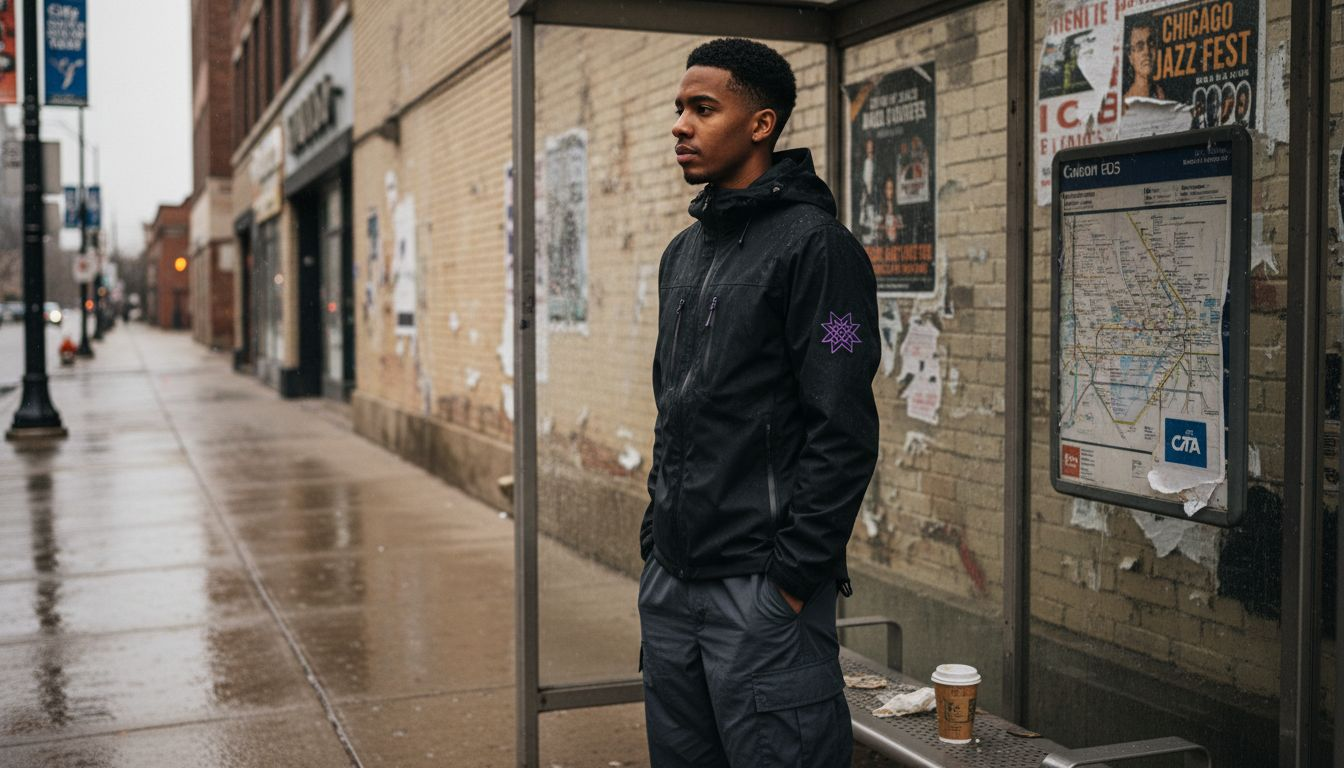
Denim styles and oversized silhouettes provide comfort and freedom in current fashion, with vintage washes and relaxed cuts returning to prominence. Jeans remain foundational streetwear pieces, adaptable across occasions from coffee runs to casual workplaces. The 2026 denim revival emphasizes authenticity over perfection, celebrating worn-in textures and personalized distressing.
Key style elements to watch include:
- Monochromatic layering creating depth through texture rather than color
- Athletic-inspired pieces like track pants and windbreakers in premium fabrics
- Graphic tees with artistic collaborations or social commentary
- Statement outerwear as focal points, from bomber jackets to oversized flannels
- Mix of high and low elements, pairing thrift finds with investment pieces
These trends align with fashion retail trends in 2026 emphasizing consumer-driven innovation. For inspiration on incorporating denim into your rotation, check denim styles for 2026. Visual references and seasonal lookbooks at 2026 maximalism fashion trends show how designers interpret these movements.
Sustainability’s increasing role in streetwear
Ethical production and environmental impact shape purchasing decisions more than ever. 55% of streetwear consumers are willing to pay more for sustainable options, signaling values alignment matters alongside aesthetics. This preference drives brands to transparently source materials, reduce waste, and improve labor conditions.
Sustainability in streetwear encompasses multiple dimensions. Eco-friendly fabrics like organic cotton, recycled polyester, and hemp reduce environmental footprints compared to conventional materials. Ethical labor practices ensure fair wages and safe conditions throughout supply chains. Circular fashion models emphasize durability, repairability, and end-of-life recycling to minimize landfill contributions.
The resale market explodes as Gen Z seeks value and environmental responsibility. Resale market growth is 2-3 times faster than first-hand streetwear sales until 2027, fueled by platforms making secondhand shopping convenient and destigmatized. Buying pre-owned extends garment lifecycles, reduces manufacturing demand, and offers access to limited editions at accessible prices.
How to prioritize sustainability in your streetwear choices:
- Research brand transparency about materials sourcing and production locations before purchasing
- Choose versatile pieces you’ll wear frequently rather than trend-chasing impulse buys
- Explore resale platforms for both buying and selling to participate in circular fashion
- Look for certifications like GOTS for organic textiles or Fair Trade for ethical labor
- Consider garment care and longevity, investing in quality construction that withstands wear
STATISTIC SPOTLIGHT: More than half of young streetwear consumers now factor environmental impact into every purchase decision, fundamentally reshaping how brands approach design and marketing.
Pro Tip: Build a capsule streetwear wardrobe with 10-15 interchangeable pieces in neutral bases and a few statement items. This reduces consumption while maximizing outfit variety and personal expression.
Understanding sustainable apparel importance helps align fashion with values. For data on consumer preferences and market shifts, review 2026 streetwear sustainability data.
Technology and personalization transforming streetwear
AI-driven tools revolutionize how consumers interact with streetwear brands. 68% of Gen Z consumers demand style reflection in clothes enabled by AI-driven personalization, pushing retailers toward customization platforms. These technologies let shoppers input preferences, body measurements, and style inspirations to co-create unique pieces or receive curated recommendations.
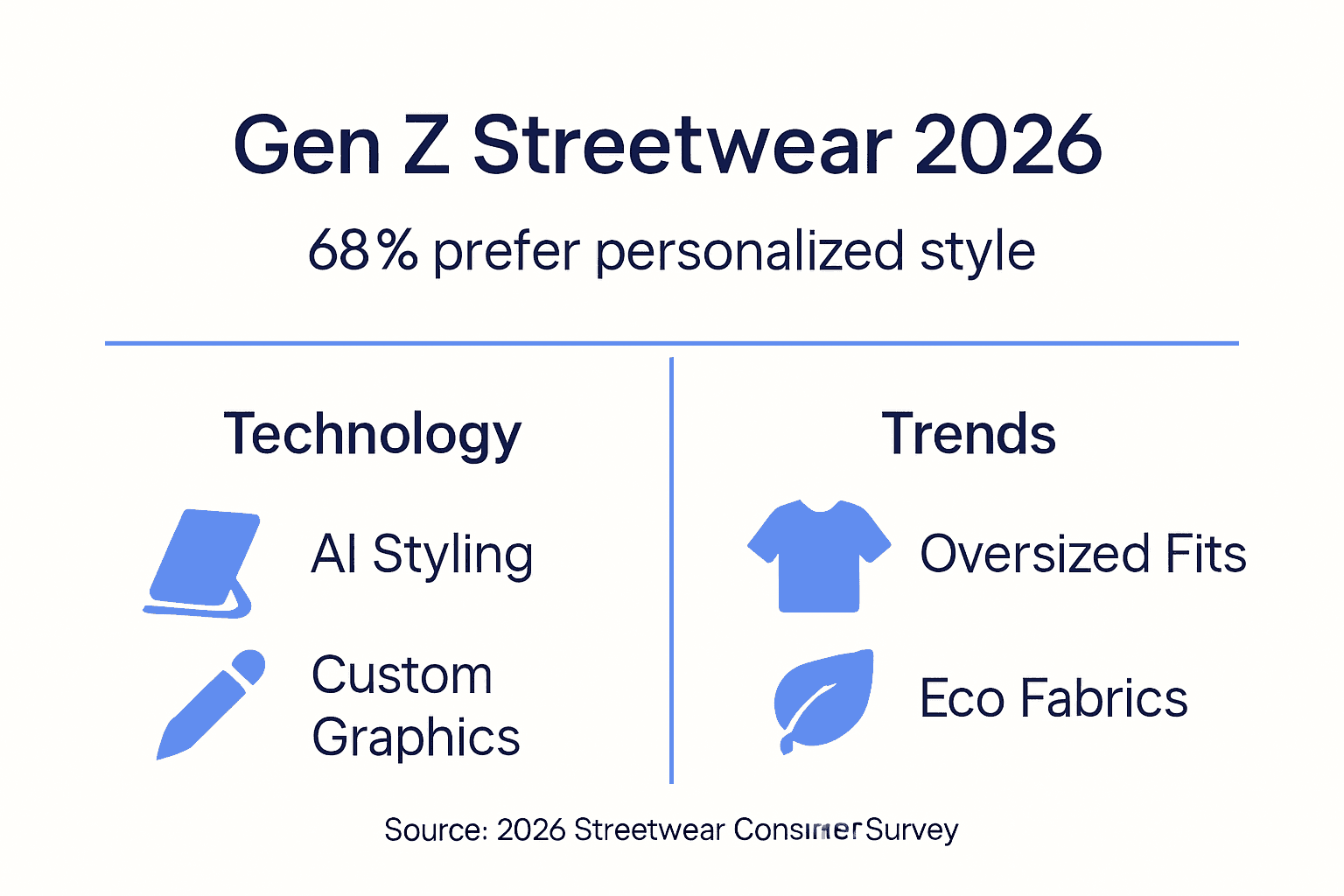
Personalization empowers authentic self-expression beyond mass-produced collections. You can adjust colors, add graphics, modify fits, or combine design elements to craft apparel reflecting your exact vision. This shifts power from designers dictating trends to consumers steering creative direction, democratizing fashion in unprecedented ways.
Techwear functionality extends personalization into practical domains. Smart fabrics adjust to temperature, moisture-wicking materials enhance comfort, and modular designs adapt to different environments or activities. These innovations recognize that modern lifestyles demand clothing performing multiple roles throughout the day.
Key technology integrations include:
- Virtual try-on features reducing purchase uncertainty and returns
- Blockchain authentication verifying limited edition legitimacy and resale value
- 3D body scanning for precise fit customization
- Augmented reality showing how pieces look styled in real environments
- Data analytics helping brands anticipate demand and reduce overproduction waste
Pro Tip: When using AI styling tools, input specific lifestyle needs like commuting methods, climate, and activity levels. This generates recommendations balancing aesthetics with practical functionality for your daily routine.
The digital shift in fashion retail accelerates these changes. Technology doesn’t replace human creativity but amplifies it, giving you tools to manifest personal style visions. Learn more about implementation at AI personalization in streetwear.
Affordable streetwear options for young adults
Accessible pricing doesn’t compromise authenticity or style quality. The mid-market streetwear segment is the fastest-growing area, surpassing luxury segments in value creation, proving demand exists for affordable options delivering cultural relevance and design excellence. Brands targeting this space balance cost efficiency with ethical production and trend responsiveness.
Affordable streetwear democratizes participation, ensuring economic barriers don’t exclude anyone from expressing identity through fashion. Emerging brands leverage direct-to-consumer models, eliminating retailer markups while maintaining quality standards. This sector values substance over hype, focusing on wearability and versatility rather than artificial scarcity.
| Price Tier | Characteristics | Best For |
|---|---|---|
| Budget ($15-$40) | Basic tees, simple graphics, standard fabrics | Building foundational wardrobe pieces and experimenting with trends |
| Mid-Market ($40-$100) | Quality construction, sustainable materials, unique designs | Everyday streetwear balancing affordability with ethics and durability |
| Premium ($100-$250) | Limited collaborations, advanced fabrics, brand heritage | Statement pieces and investment items with resale value |
Finding quality affordable streetwear requires strategic shopping:
- Follow emerging brands on social media for launch alerts and exclusive discounts
- Check resale platforms first before buying new, especially for basic items
- Compare material quality by reading product descriptions and customer reviews carefully
- Sign up for brand newsletters to access early sales and loyalty rewards
- Prioritize versatile neutrals you’ll wear often over trendy pieces with short lifespans
Pro Tip: Allocate 70% of your budget to timeless pieces like quality tees, denim, and outerwear. Reserve 30% for trend experimentation or statement accessories. This builds sustainable style without financial strain.
Explore market growth in streetwear to understand sector dynamics. For immediate options, browse affordable trending streetwear. Industry analysis at streetwear market data 2026 reveals consumer preferences driving this growth.
Common misconceptions about streetwear debunked
Myth 1: Streetwear requires expensive or exclusive brand purchases. Reality shows accessible options abound across price points, with mid-market brands offering comparable quality and cultural authenticity. You don’t need limited-edition sneakers or designer collaborations to participate meaningfully in streetwear culture.
Myth 2: Streetwear is merely casual clothing without deeper significance. This dismisses decades of cultural evolution and identity expression embedded in the movement. Streetwear carries stories, values, and community connections that casual wear lacks, making it fundamentally different despite similar aesthetics.
Myth 3: Sustainability doesn’t matter in streetwear focused on trends. Consumer data contradicts this, showing environmental consciousness increasingly influences purchasing. Young adults demand brands balance style innovation with ecological responsibility, rejecting fast fashion’s disposable model.
Myth 4: Authentic streetwear only comes from established heritage brands. Emerging designers and smaller labels often bring fresh perspectives and stronger community ties. Authenticity stems from cultural understanding and creative vision, not brand age or market dominance.
Key clarifications:
- Affordability and authenticity coexist; many budget brands have stronger urban roots than luxury counterparts
- Streetwear’s casual aesthetics serve functional purposes, prioritizing movement and comfort for active lifestyles
- Sustainable practices enhance rather than detract from streetwear’s core values of community and authenticity
- Cultural knowledge matters more than spending power when building genuine streetwear style
These misconceptions create barriers preventing people from confidently engaging with streetwear. Understanding the reality empowers informed choices aligned with both budget and values.
Framework for understanding modern streetwear styles
Navigating diverse streetwear options becomes simpler with a structured approach. Think of streetwear across three intersecting dimensions: cultural identity, consumer values, and design innovation. This framework helps categorize pieces and brands, clarifying which align with your priorities.
Cultural identity encompasses heritage storytelling and urban authenticity. Does the brand honor specific communities or movements? Does it collaborate with artists and creators from those spaces? Authentic cultural connection differentiates meaningful streetwear from superficial trend-chasing.
Consumer values include affordability and sustainability priorities. What price point fits your budget without compromising quality? How important are eco-friendly materials or ethical production? Balancing these factors ensures purchases reflect both financial reality and principles.
Design innovation reflects trend responsiveness and technical integration. Does the brand incorporate techwear functionality? How quickly do they adapt to emerging aesthetics? Innovation signals relevance and forward-thinking approach to streetwear evolution.
| Dimension | Low Priority | High Priority |
|---|---|---|
| Cultural Identity | Generic designs without community ties | Heritage storytelling, artist collaborations, urban roots |
| Affordability | Luxury pricing, exclusivity focus | Accessible price points, value-oriented |
| Sustainability | Fast fashion model, disposable quality | Eco-friendly materials, circular fashion practices |
| Design Innovation | Basic reproductions, slow trend adoption | Techwear features, AI personalization, cutting-edge aesthetics |
Using this framework, evaluate potential purchases by asking: Does this piece honor authentic culture? Fits my budget and values? Incorporates innovative design I’ll actually use? Mapping brands and items across these dimensions reveals which deserve your investment.
This systematic approach prevents impulse buying while ensuring your wardrobe genuinely represents your identity and lifestyle needs.
Conclusion: embracing streetwear for authentic, affordable style
Streetwear transcends clothing to become identity expression for American young adults navigating 2026’s cultural landscape. Balancing bold aesthetics with practical functionality, sustainability with affordability, and personal style with community connection defines modern streetwear engagement. Understanding trends from maximalism to techwear, values from environmental consciousness to cultural authenticity, and technologies from AI personalization to resale platforms equips you for confident purchasing decisions.
The democratization of streetwear continues accelerating, with mid-market growth proving style accessibility. You don’t need luxury budgets or insider connections to build authentic, expressive wardrobes reflecting who you are and what you stand for. Future streetwear will integrate even deeper personalization, stronger sustainability standards, and richer cultural dialogues.
Approach streetwear as ongoing conversation between your identity and broader cultural movements. Each piece you select, wear, and eventually pass on contributes to this exchange. Embrace the journey with informed confidence.
Explore affordable, trendy streetwear styles at Lot27
Ready to build a wardrobe reflecting 2026’s hottest streetwear trends without breaking your budget? Lot27 curates affordable collections aligned with everything explored here: oversized fits, sustainable materials, and culturally authentic designs perfect for your casual lifestyle.
Discover trending streetwear apparel 2026 and save 20% on pieces that express your unique identity. From premium cotton t-shirts providing versatile foundations to statement denim embodying current aesthetics, Lot27 delivers quality and style accessibility. Explore how fashion retail trends shape our selections, ensuring you stay ahead while honoring streetwear’s cultural roots. Shop now and transform your style narrative.
FAQ
What is the role of streetwear in American youth culture?
Streetwear functions as cultural movement enabling young Americans to communicate individuality, confidence, and community affiliation through fashion choices. It reflects urban origins and evolving social values, serving as visual language for identity expression beyond mere clothing functionality.
How are sustainability and streetwear connected in 2026?
Over 55% of streetwear consumers prioritize eco-friendly materials and ethical production in their 2026 purchases. The resale market grows 2-3 times faster than new sales, promoting circular fashion that reduces environmental impact while maintaining style accessibility.
Can streetwear be affordable without losing authenticity?
Absolutely. Mid-market streetwear represents the fastest-growing segment, offering culturally authentic apparel reflecting genuine urban roots at accessible price points. Many affordable brands demonstrate stronger community connections than luxury counterparts while delivering comparable quality.
What are the top streetwear trends in 2026?
Key trends include oversized silhouettes prioritizing comfort, maximalist 80s-inspired aesthetics with bold colors, techwear integrating functional features, and sustainable material adoption. AI-driven personalization also reshapes how consumers select and customize streetwear to match individual style preferences.
How does technology enhance streetwear personalization?
AI tools enable co-creation by letting consumers input preferences, body measurements, and style inspirations to generate customized designs or curated recommendations. Virtual try-on, blockchain authentication, and 3D scanning reduce purchase uncertainty while empowering unique self-expression beyond mass-produced options.